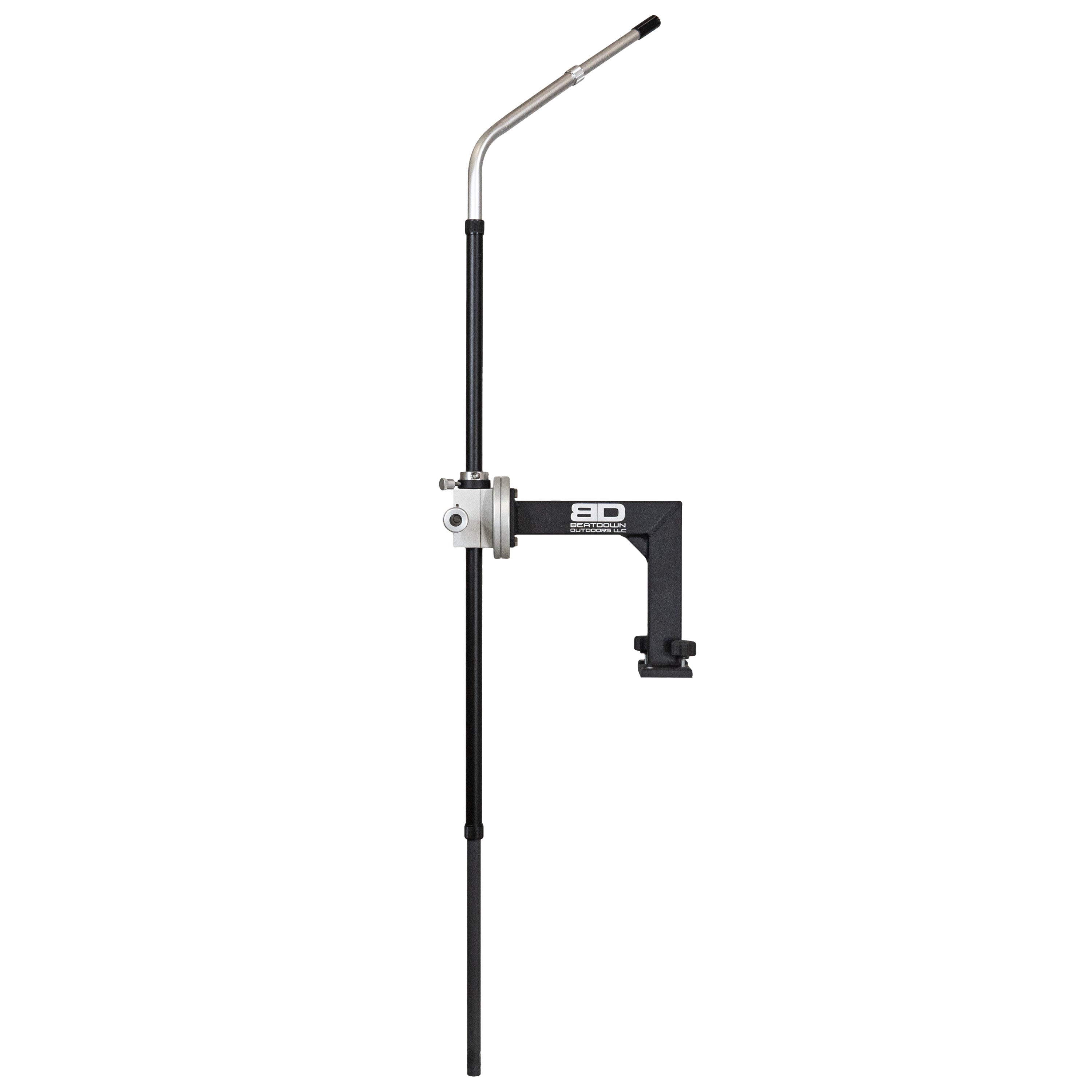
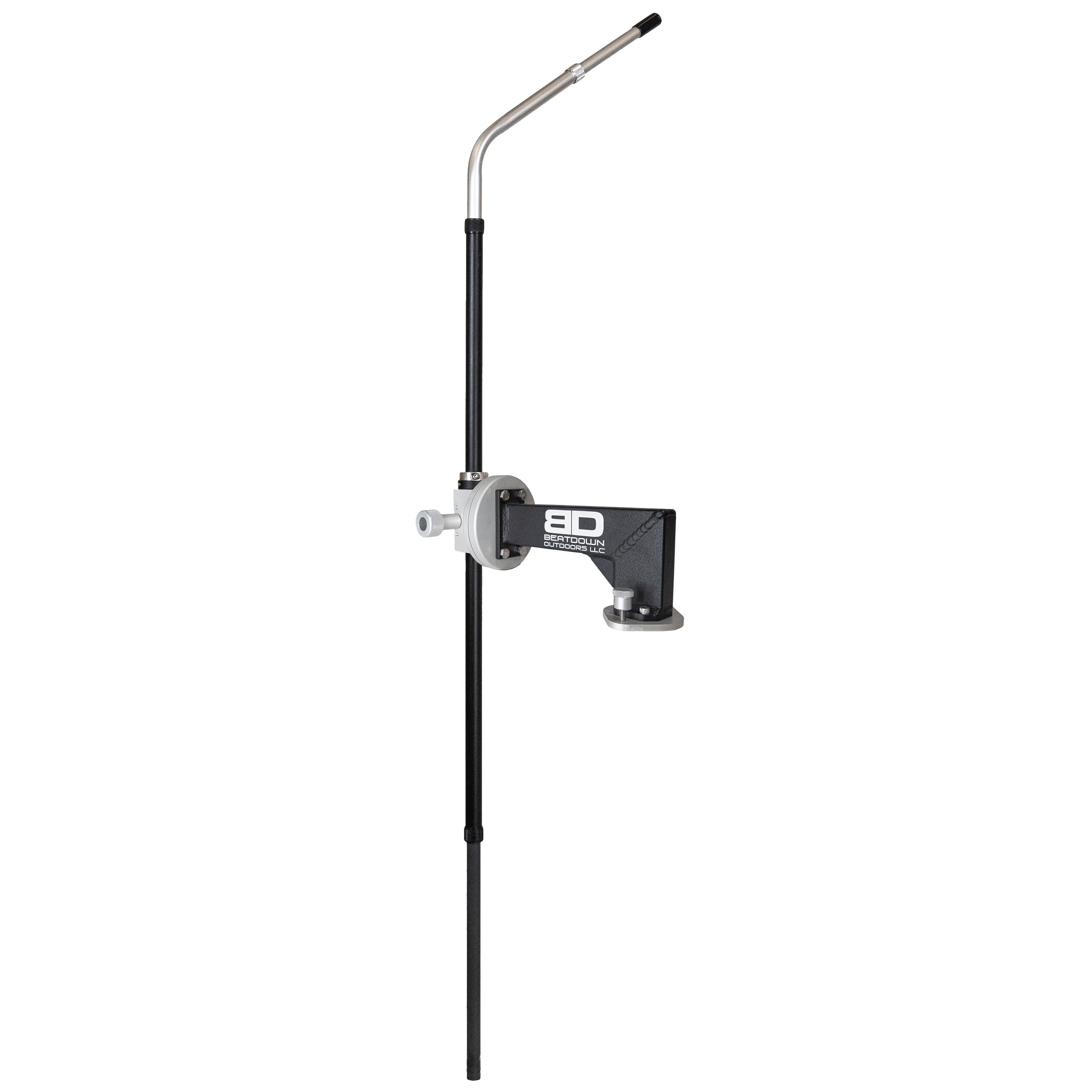
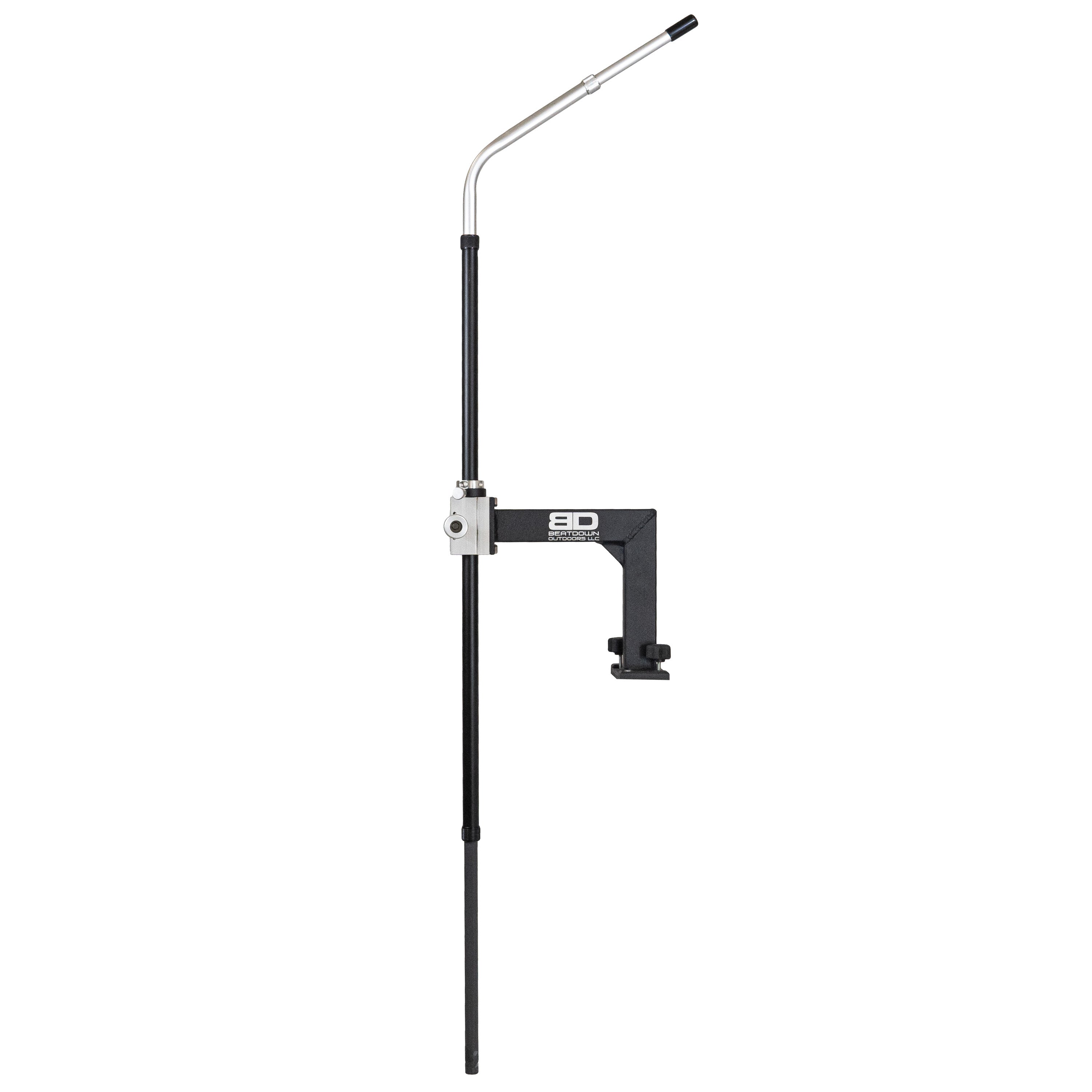
A transducer pole mount is one of those upgrades that can make a boat feel a whole lot more dialed in, but only if it’s mounted in the right place. A lot of anglers get hung up on the pole itself and skip over the bigger question: where should it live on the boat? The bow, console, and stern can all make sense, but each one changes the way you scan, the way you fish, and how efficiently you move through a day on the water.
That is really the heart of the decision. A transducer pole mount is not just about holding a transducer. It is about control, ergonomics, steering hand position, and how repeatable your scans are when you are trying to stay aligned with fish, brush piles, docks, shell beds, or offshore structure. The right location makes scanning more natural. The wrong one can turn a good electronics setup into a clumsy one.
For most anglers, the route to transducer poles begins when they realize that factory mounting positions do not always match how they fish. Some want a dedicated scanning setup away from the trolling motor. Some want cleaner control while idling. Others want a mount that keeps their front deck organized while still letting them scan efficiently. That is where mounting options matter. There is no single best answer for every boat, but there is usually a best answer for your style of fishing.
Why transducer pole mount placement matters
The place you mount a transducer pole changes more than convenience. It affects how quickly you can point at a target, how comfortable your body position is while scanning, and how easy it is to repeat the same pass over a piece of cover. That matters in a big way when you are trying to pick apart a brush pile or keep fish in view without constantly overcorrecting.
Ergonomics plays a bigger role than many anglers expect. If your transducer pole mount forces you to reach awkwardly, cross over your body, or take a hand off the wrong control at the wrong time, scan efficiency drops quickly. Good rigging should feel natural. Your hand should fall right where it needs to, your body should stay balanced, and the transducer should move with purpose instead of feeling like one more thing to manage.
Bow mount: best for hands-on control while fishing
For many anglers, the bow is the most natural place to mount a transducer. If you are fishing from the front deck, casting at targets, and making real-time adjustments as fish move, bow mounting gives you the most direct control. Everything happens right where you are standing. You can scan, cast, adjust, and stay engaged without leaving your fishing position.
This setup makes a lot of sense for anglers who want the transducer right in their workspace. It keeps the scan angle close to where decisions are being made. You are not looking at fish from one part of the boat and then trying to reposition from another. That can help make scans more repeatable, especially when you are trying to stay locked on a small target or follow a group of moving fish.
The biggest advantage at the bow is efficiency while actively fishing. You can keep one hand where you need it, maintain a comfortable stance, and make smaller, cleaner corrections. That kind of control matters when every little movement changes what is on the screen.
The tradeoff is deck management. A bow transducer pole mount needs to fit without crowding the trolling motor area or turning the front deck into a tangle of shafts, cables, and handles. You also want to think through hand position. If the pole handle sits in a spot that fights your natural steering or casting motion, it can wear on you over a full day. Bow setups work best when the mount feels like it belongs there, not like it was squeezed into the only open space.
Console mount: best for searching and scanning before you fish
A console-mounted transducer pole mount is a smart choice for anglers who spend a lot of time graphing water before ever making a cast. If your process is built around idling, searching, and breaking down structure, the console can be a very efficient place to run a dedicated scan setup.
The big benefit here is workflow. Your electronics, steering, and scanning controls are all centered in one area. That helps when you are covering water and trying to keep the boat lined up on a contour, channel edge, or offshore sweet spot. The steering hand position is especially important at the console. A good setup lets you keep control of the boat while making subtle scan adjustments without awkwardly reaching or losing focus on the screen.
Console mounting can also improve scan efficiency during the search phase. You are seated or standing in a position designed for boat control, which often makes it easier to make repeatable passes. When you find the juice, you can move to the bow and fish it with more confidence because the work of locating the spot was cleaner and more controlled.
What you want to watch out for is clearance and comfort. The mount should not interfere with steering, throttle operation, or access to graphs. It also needs to sit where you can reach it naturally. If you have to lean, twist, or take your body out of position every time you adjust the pole, the setup will not feel right for long.
Stern mount: best for specialty layouts and clean separation
A stern transducer pole mount is not always the first option anglers think about, but it can make a lot of sense in the right boat. This setup is often about creating separation. If the bow is crowded and the console is already packed with electronics, the stern can offer a clean route to transducer poles without forcing compromises up front.
It can also be a really practical option for anglers who naturally fish from the back of the boat. That is something you see fairly often with muskie fishermen, and it can also come into play in team situations where a partner is fishing from the rear deck and wants better control of what they are scanning. In those setups, a stern-mounted pole is not just a workaround. It can actually put the transducer closer to the angler who is actively fishing, which helps with comfort, visibility, and overall scan efficiency.
A stern position can work well for anglers who want a dedicated scanning setup that stays out of the way of the main front-deck workspace. It can also be useful on certain layouts where mounting options at the bow or console are limited. In that sense, the stern is less about following a trend and more about solving a rigging problem in a clean, functional way while giving back-deck anglers a setup that fits how they fish.
The main drawback is that stern placement can be less intuitive for anglers who spend most of their day on the bow. If the transducer is farther from the primary fishing position, real-time adjustments may not feel as natural. Cable routing is also a bigger consideration, and protection matters more. You have to think about takeoff, loading, shallow water, and anything else that could put the mount at risk. A stern setup has to be easy to deploy, solid in rough water, and out of the way when the boat is moving.
So which mounting position makes the most sense?
If you mainly scan while fishing and want immediate control, the bow is tough to beat. If you spend more time searching, idling, and dialing in structure before picking up a rod, the console can be a better play. If your boat layout demands a different approach or you want a clean, dedicated position away from the front deck, the stern can absolutely be the right answer.
No matter where it goes, the best transducer pole mount setup is the one that improves comfort, keeps your hand position natural, and lets you make the same clean scans over and over. That is what leads to more efficient time on the water and better decision-making when it matters.